Q&A: Three EITs on Leadership, Inclusion and the Future of Engineering
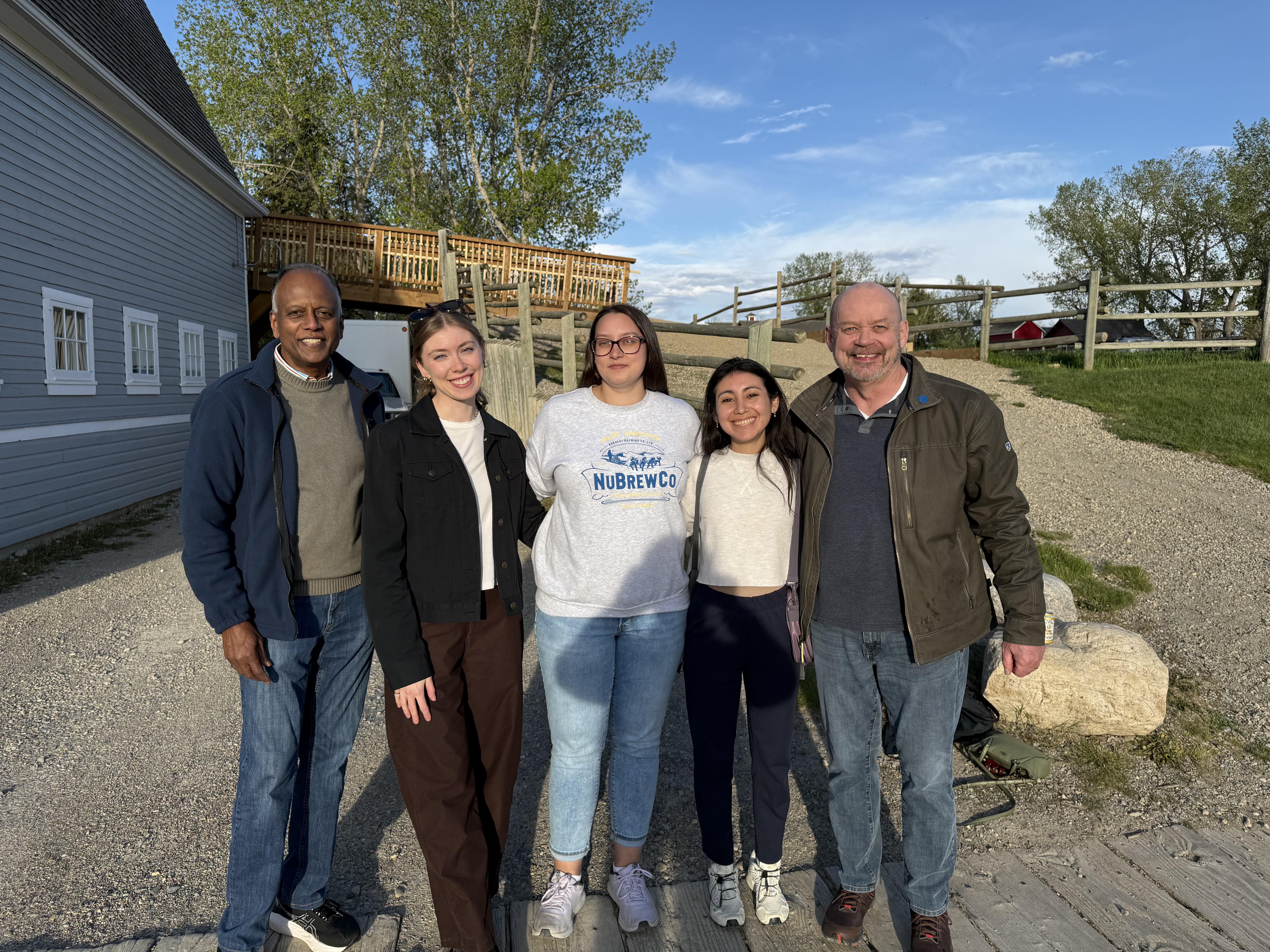
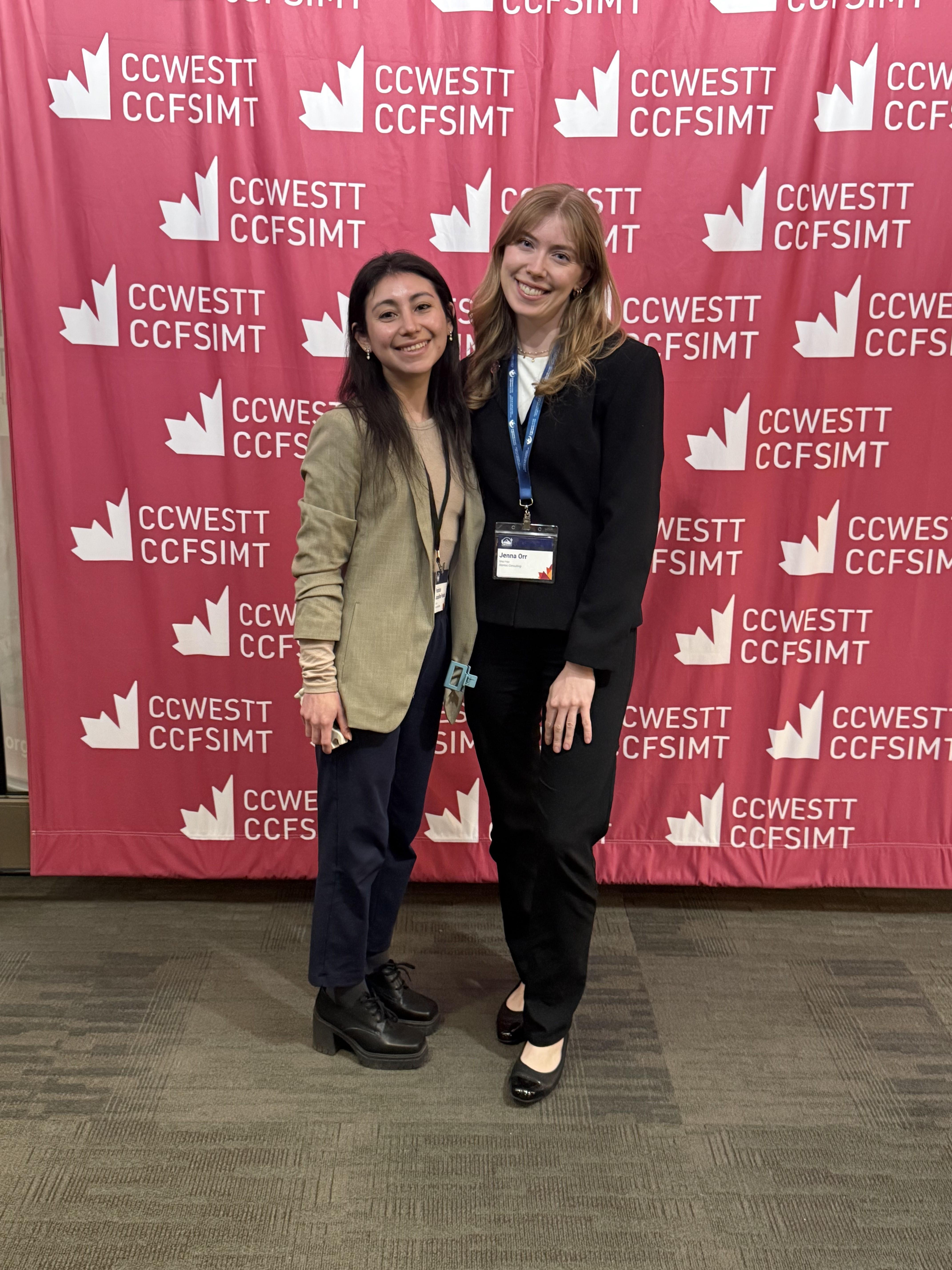
NAPEG sponsored three Engineers-in-Training — Francisca Puebla, EIT; Jada Hawkins, EIT; and Jenna Orr, EIT, who also serve on NAPEG's Registrants in Training (RIT) Committee — to attend the Engineers Canada Annual Meeting and the CCWESTT/Engineers Canada Conference in Calgary in May 2026. Throughout the week, they participated in regulator meetings, presentations, panel discussions, networking events and the 30 by 30 Conference, which explored ways to advance equity and inclusion within the engineering profession. We asked each of them to reflect on their experience, the ideas that resonated most and the insights they will carry forward in their careers.
.jpg) 1. You recently attended the Engineers Canada Annual Meeting and the CCWESTT/Engineers Canada Conference in Calgary. Can you tell us about your experience and some of the activities you participated in throughout the week?
1. You recently attended the Engineers Canada Annual Meeting and the CCWESTT/Engineers Canada Conference in Calgary. Can you tell us about your experience and some of the activities you participated in throughout the week?
Francisca Puebla
The week was an incredible opportunity to learn from engineering leaders across Canada and participate in discussions about public trust, ethics, inclusion, and the future of the profession. I attended presentations, panel discussions, and networking events where participants openly shared challenges and ideas for improving the engineering community. As an Engineer-in-Training, it was valuable to hear different perspectives and see how much thought and effort is being invested in strengthening our profession.
Jada Hawkins
I was thrilled to be given the opportunity by NAPEG to attend both the annual meeting and the CCWESTT/EC conference. I was able to sit in on regulator presentations and board meetings where I learned about the current initiatives and challenges that Engineers Canada and the provincial and territorial regulators are working on. I also attended the awards Gala to celebrate the achievements of some incredible past, present, and future engineers. The week wrapped up with the 30x30 conference where I attended panel discussions, presentations and networking events all centered around overcoming the challenges that women face in engineering.
Jenna Orr
It was a great opportunity to connect with members of Engineers Canada and participants from across the country at the CCWESTT Conference. Throughout the week, I attended engaging panel discussions and interactive sessions focused on topics like engineering regulation, leadership, and supporting women in the profession. Some of my favourite moments were the informal conversations over coffee, where people shared their career journeys and experiences. I left feeling inspired, encouraged, and with a much broader understanding of engineering regulation and the ongoing work to build a more equitable and diverse profession. I was also grateful to spend the week with Jada and Francisca, who made the experience even more memorable.
2. What was a highlight of the experience for you?
Francisca Puebla
One highlight was being surrounded by people who were genuinely passionate about engineering and committed to making the profession better for future generations. A message that stayed with me throughout the week was: "Don't underestimate your passions." It reminded me that the interests and values that motivate us can also be powerful drivers for positive change.
Jada Hawkins
Meeting so many amazing people throughout the week was a big highlight for me. Everyone I met was excited to see EIT's attending the conference and many people took the time to introduce themselves and to share advice and experience. The best piece of advice I received was to always be open to opportunities and that those opportunities can come from the most unlikely of places. I really enjoyed being around so much passion for the profession and hearing the journey that each person had taken to get to where they were.
Jenna Orr
One of the biggest highlights was connecting with people between sessions over meals and coffee. Hearing about the different career paths people have taken, and the unique experiences of women in engineering, was incredibly interesting. It was a reminder that there isn't one path to success, and every conversation offered a new perspective.
 3. Was there a particular speaker, session, discussion, or activity that left a lasting impression? What made it stand out?
Francisca Puebla
The discussions around workplace culture and inclusion left the strongest impression on me. I appreciated the honest conversations about challenges women continue to face, including having their expertise questioned, feeling like they do not belong, and experiencing workplace environments shaped by outdated norms. The willingness of participants to speak frankly about these issues made the discussions feel meaningful and constructive.
Jada Hawkins
I learned a lot from attending the annual meetings and regulator presentations. It was eye opening to see how global problems, an example being AI, could impact the profession and how the regulators worked together to overcome those challenges. The impression I took away from those meetings was how passionate everyone involved was about this work and upholding the profession for the future.
Jenna Orr
The interactive pay equity exercise really stood out to me. Participants were divided into groups representing different stakeholders, each presenting their perspectives to the CEO of a fictional company. It was a thoughtful way to explore the complexity of pay equity and highlighted how different priorities and viewpoints influence decision-making. It encouraged meaningful discussion and challenged us to think about practical solutions.
4. What is one key lesson, insight, or takeaway you gained from participating?
Francisca Puebla
One of my biggest takeaways was the importance of listening to and validating different perspectives before jumping to solutions. Meaningful progress requires understanding people's experiences and recognizing that technical excellence alone is not enough—we also need environments where people feel respected, heard, and able to contribute their best work. Creating that culture is everyone's responsibility.
Jada Hawkins
During both the conference and the annual meetings, I saw many real time examples of the importance of engineers supporting one another. The hard work of others was often mentioned during speeches and introductions and many of the people who were honored with awards were those who not only excelled in their field, but also took the time to ensure others did as well. A key takeaway from the 30 x 30 conference was that having the right supports in place is what helps women stay and be successful in engineering. It made me very excited to be a part of a profession that is focusing on uplifting others.
Jenna Orr
One of my biggest takeaways was that engineering excellence depends on attracting and retaining talented people from a wide range of backgrounds, including women. Creating strong teams isn't just about hiring talented individuals, it's also about building workplaces where people want to stay. Company policies, particularly those related to parental leave and workplace flexibility, can play a significant role in retaining talent and supporting long-term career growth.
 5. Discussions around equity, inclusion, and Engineers Canada's 30 by 30 initiative were an important part of the week. What perspectives or ideas from those conversations resonated most with you?
Francisca Puebla
What resonated most with me was the idea that the challenge is not simply attracting more women to engineering; it is creating workplaces where they feel they belong and can succeed. I appreciated discussions about validating women's expertise, addressing workplace toxicity, and examining the norms that can unintentionally exclude people. I was also intrigued by the concept of reverse mentoring, where younger professionals share their experiences with leaders to help drive change. Most importantly, I believe men need to be active participants in these conversations, since meaningful progress requires engagement from the majority as well.
Jada Hawkins
There were a lot of discussions on what benchmarks were being used to measure progress in making engineering a more inviting and sustainable career for women and other minorities. I loved seeing that the industry isn't just trying to hit a target, but truly make meaningful change. It made me re-evaluate how I approach conversations around the topic and truly consider what that meaningful change could look like both in the workplace and outside it. One of the big ideas that came out of these conversations was about involving girls in engineering at a young age and how important it is for these girls to have female role models, which is something that I am very passionate about and is the reason that I considered engineering as a career path for myself.
Jenna Orr
One idea that really resonated with me was the importance of creating a genuine sense of belonging for women in engineering. Representation is important, but it isn't enough on its own. The conversations encouraged us to think beyond numbers and consider whether women are being supported, included, and given opportunities to grow into senior leadership roles. Building a culture of belonging is essential to creating a stronger and more inclusive profession.
6. What impact do you think this experience will have on your professional development and future career?
Francisca Puebla
This experience reinforced the importance of leadership, communication, and ethics in engineering. It encouraged me to think more critically about the kind of workplace culture I want to help create throughout my career. Moving forward, I hope to continue developing not only as a technical professional but also as someone who contributes to an environment where all engineers feel respected, valued, and empowered to succeed.
Jada Hawkins
I took away from the whole week a sense that as engineers we have the opportunity to make meaningful and lasting change. Engineers will be at the forefront of a lot of global challenges and the experience made me think about how my career could fit into this.
Jenna Orr
I was grateful for the opportunity to connect with engineers and professionals from across Canada. Those conversations gave me a better understanding of the many career paths available within engineering, including opportunities in regulation and governance that I hadn't previously considered. The experience broadened my perspective and encouraged me to continue exploring ways I can contribute to the profession throughout my career.